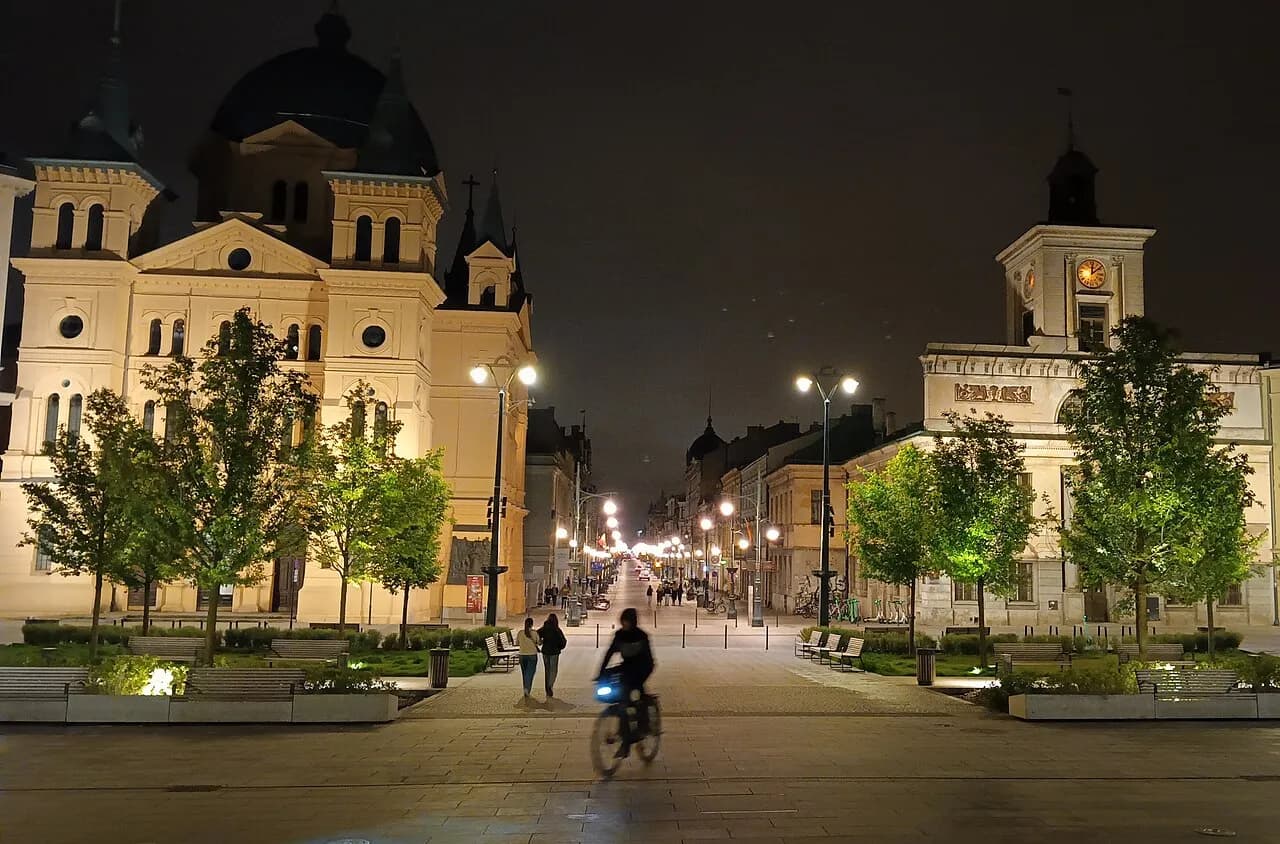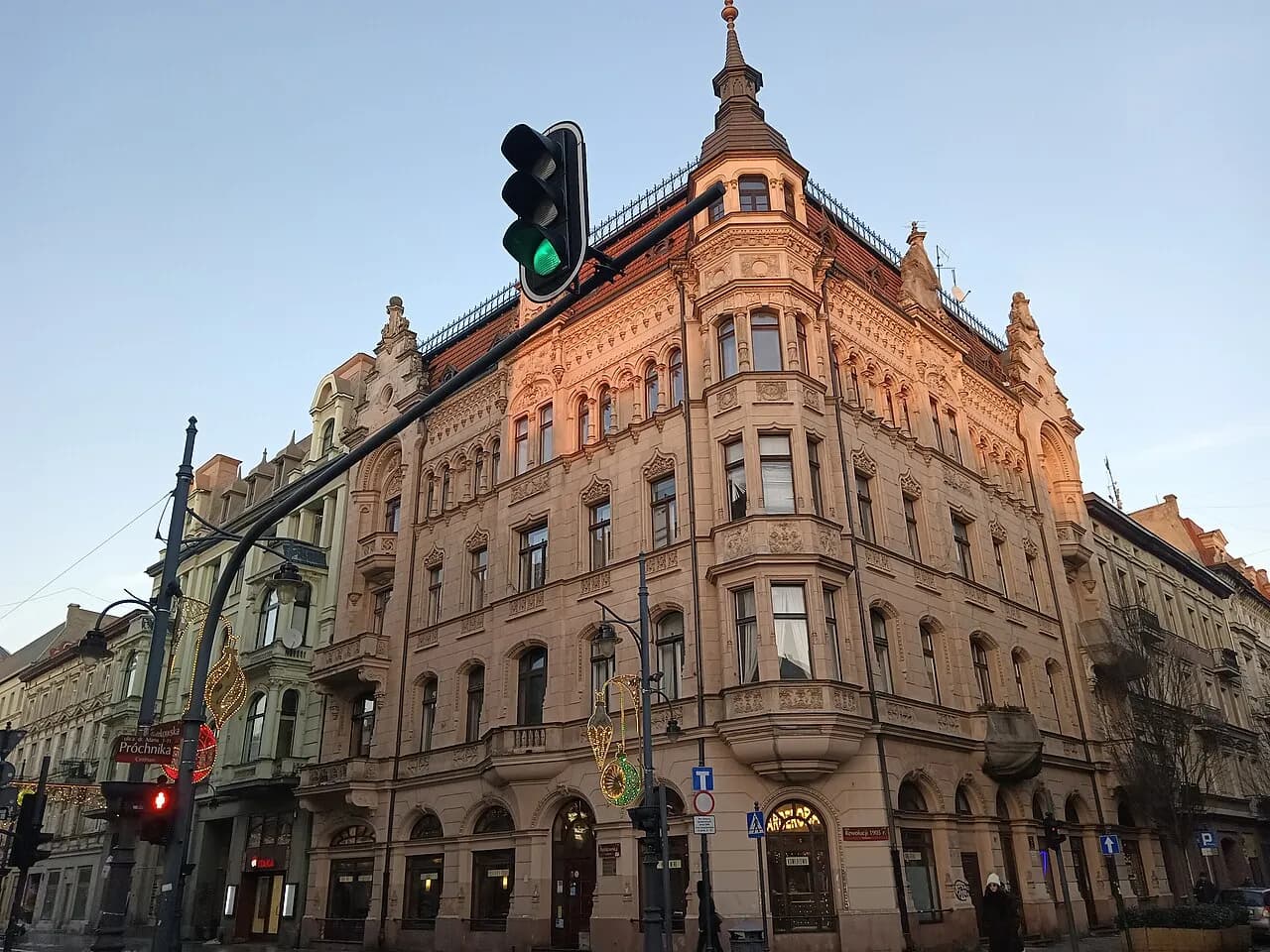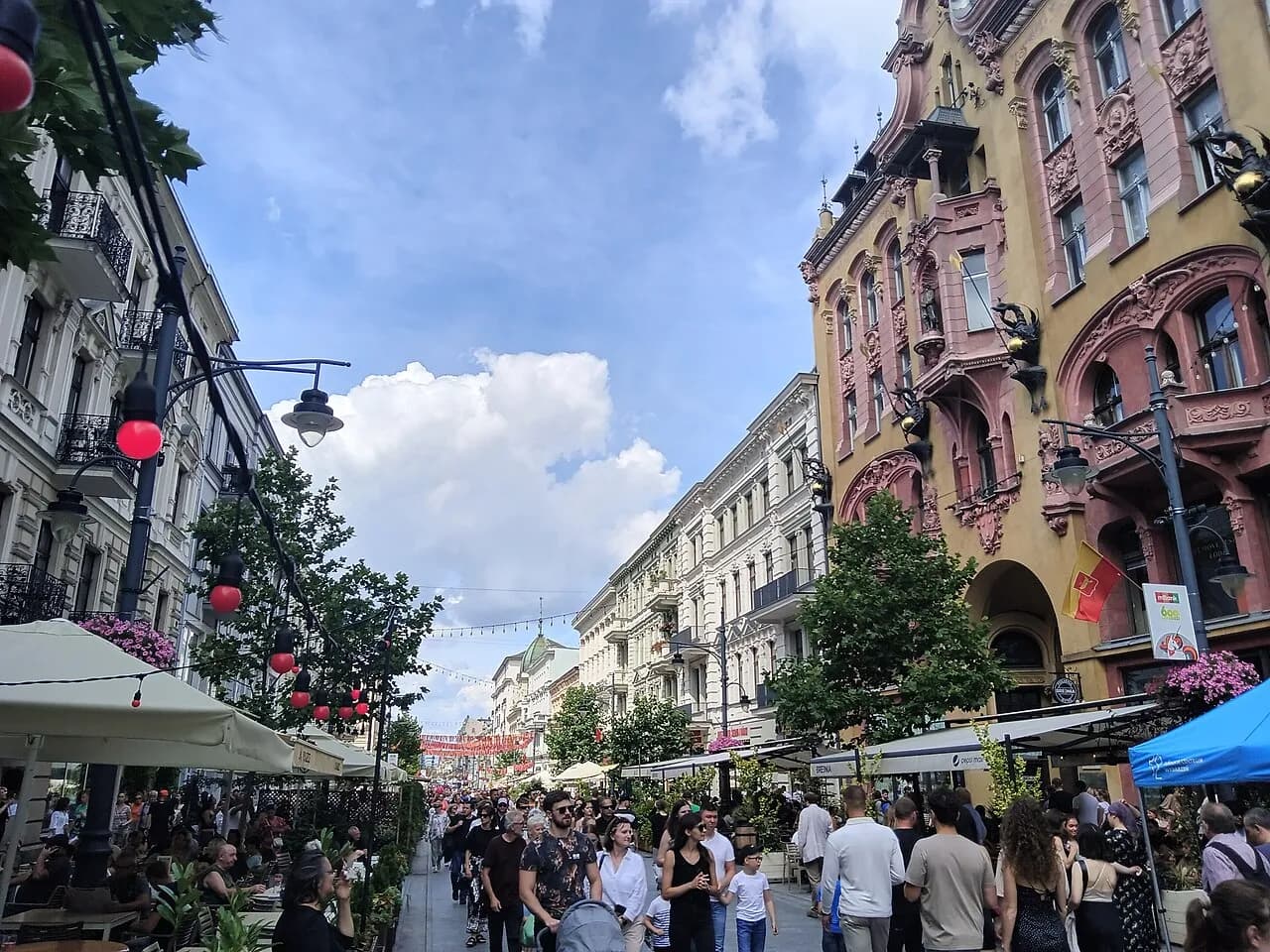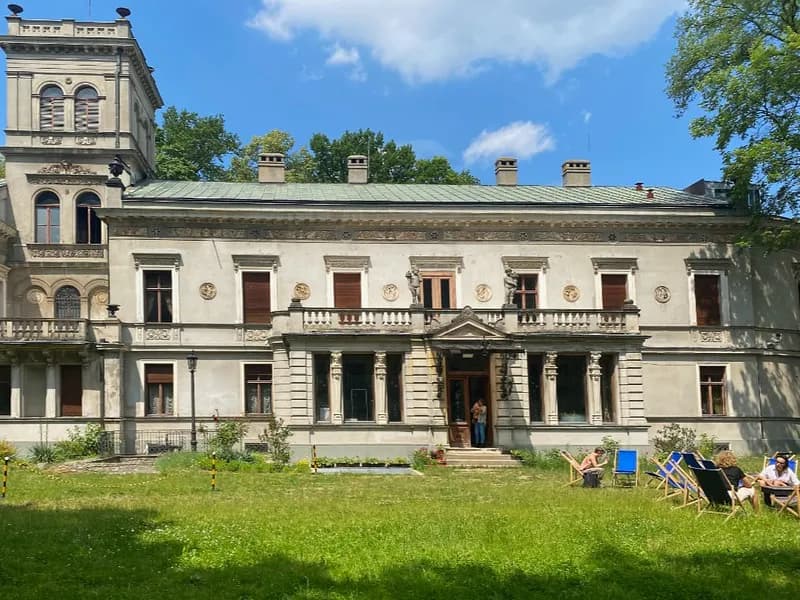
From a quiet rural settlement to the "Polish Manchester", discover how Łódź became one of Europe's greatest textile cities and how its industrial heritage continues to shape modern Poland.
For centuries, Łódź barely stood out on the map of Poland.
It was a small settlement surrounded by woodland and farmland, owned by the bishops of Włocławek and home to only a few hundred people. Even at the beginning of the 19th century, nothing suggested it would become one of Europe's fastest-growing industrial cities.
Yet within the lifetime of a single generation, everything changed.
New factories appeared almost overnight. Thousands of workers arrived in search of opportunity. Steam engines replaced watermills, fortunes were made and entire neighbourhoods were built to keep pace with extraordinary growth. By the early 20th century, Łódź had earned international recognition as the "Polish Manchester", producing textiles on a scale few cities could match.
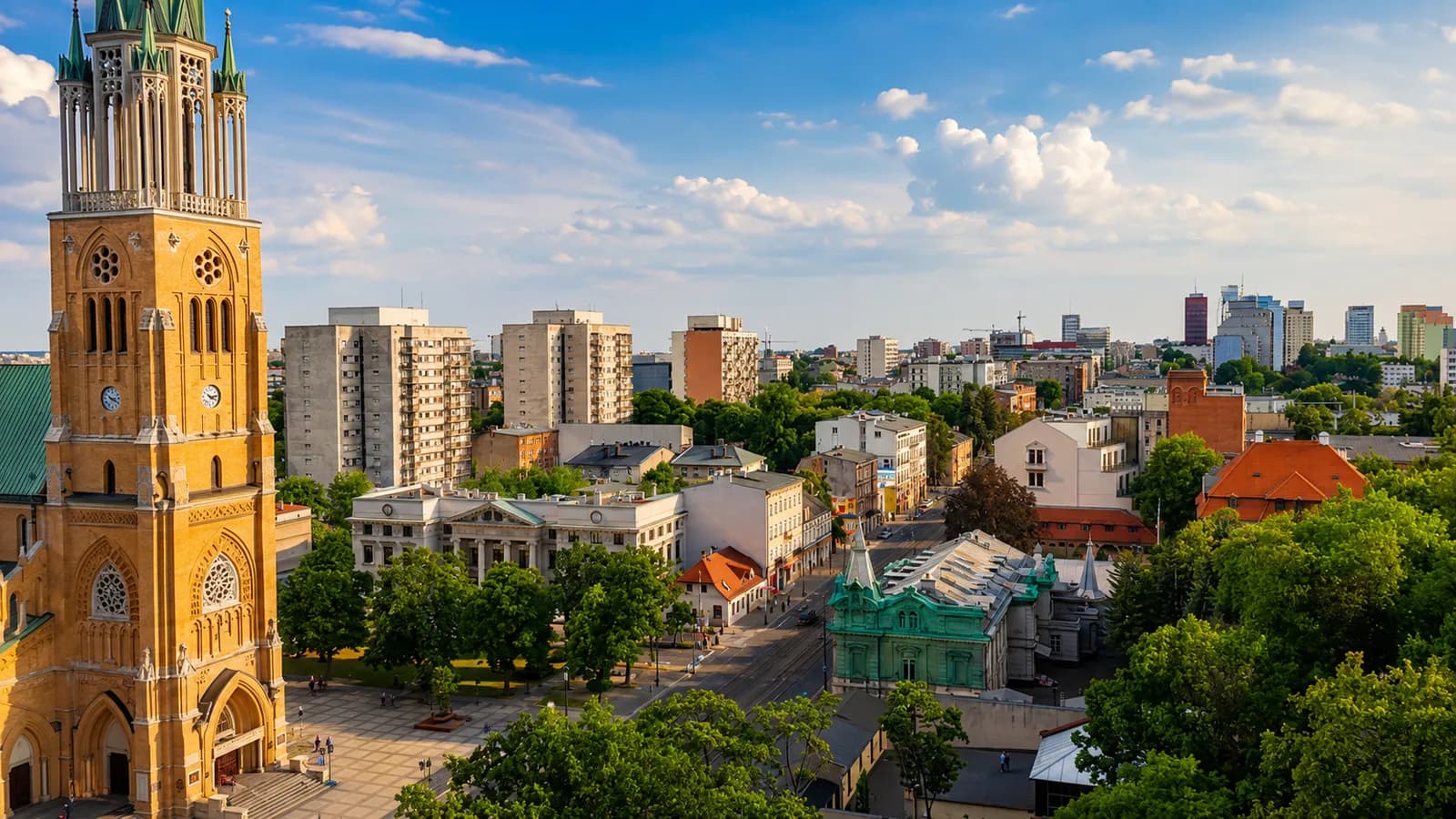
Although the mills eventually fell silent, the city they created remains. Walk through Łódź today and its industrial past is impossible to ignore.
A City That Grew Faster Than Anyone Expected
Łódź first appeared in written records during the early 15th century, but for hundreds of years it remained little more than a provincial town.
When the Congress Kingdom of Poland came under Russian rule after the Napoleonic Wars, officials began looking for places that could support industrial development. Łódź offered something many larger towns could not: space to expand, access to water and a location close to important trade routes.
In 1816 and again in 1820, policies approved by Tsar Alexander I encouraged manufacturers to establish businesses there. Skilled craftsmen, particularly from German-speaking regions, were offered generous incentives including tax exemptions, free building materials and long-term leases.
The response exceeded expectations.
Within a few decades, the population had grown from hundreds to tens of thousands, making Łódź one of the fastest-growing cities in Europe.
When the Mills Changed Everything
The arrival of mechanised textile production transformed every aspect of life.
Cotton spinning and weaving became the city's economic engine, attracting investment on an unprecedented scale. As steam power spread across Europe, Łódź embraced new technology with remarkable speed.
One of the defining moments came in 1839 when industrialist Ludwik Geyer opened the White Factory, one of the first factories in the Kingdom of Poland to operate using a steam engine. Its tall chimney became a symbol of a new industrial era, rising above a town that was rapidly becoming a city.
Today, the White Factory houses the Central Museum of Textiles, preserving the story of the industry that shaped Łódź for more than a century.
By the eve of the Second World War, around 600 textile factories employed almost 67,000 people, accounting for roughly 85 per cent of the city's workforce. Cloth produced in Łódź was exported across Europe and beyond, cementing its reputation as the textile heart of Poland.
Four Cultures, One City
Industrial success attracted people from across Central and Eastern Europe.
Poles arrived from surrounding villages seeking stable employment. German entrepreneurs and skilled weavers brought technical expertise. Jewish merchants established businesses that became central to the city's commercial life, while Russian administrators represented the authorities governing the Kingdom of Poland.
Each community left its mark on Łódź.
Churches, synagogues, factories, schools and elegant townhouses reflected the city's multicultural character. Different languages could be heard in the streets, and neighbourhoods developed their own identities while contributing to a rapidly expanding urban economy.
This blend of cultures became one of Łódź's defining characteristics and remains an important part of its history.
Great Wealth, Great Hardship
The prosperity created by the textile industry was never shared equally.
Industrialists such as Izrael Poznański, Karol Scheibler and Ludwik Geyer built enormous fortunes, constructing lavish residences that rivalled aristocratic palaces elsewhere in Europe. Many survive today as museums, galleries and public buildings.
For most workers, however, life looked very different.
Families often lived in crowded tenements close to the factories where they worked long hours in demanding conditions. Entire communities grew around the mills, creating neighbourhoods where employment, housing, schools and even healthcare were controlled by factory owners.
These contrasts inspired one of Poland's greatest novels. Władysław Reymont's The Promised Land captured the ambition, inequality and relentless pace of a city where wealth and poverty existed side by side.
When the Textile Industry Disappeared
The mills survived two world wars and decades of communist rule, but they struggled to compete after Poland transitioned to a market economy.
During the 1990s, factory closures became commonplace as global textile production shifted to countries with lower manufacturing costs. Thousands of jobs disappeared, and many of the vast industrial complexes that had defined Łódź stood empty for years.
Like other former manufacturing centres across Europe, the city faced difficult questions about its future.
A Different Kind of Success
Rather than demolish its industrial heritage, Łódź chose to build upon it.
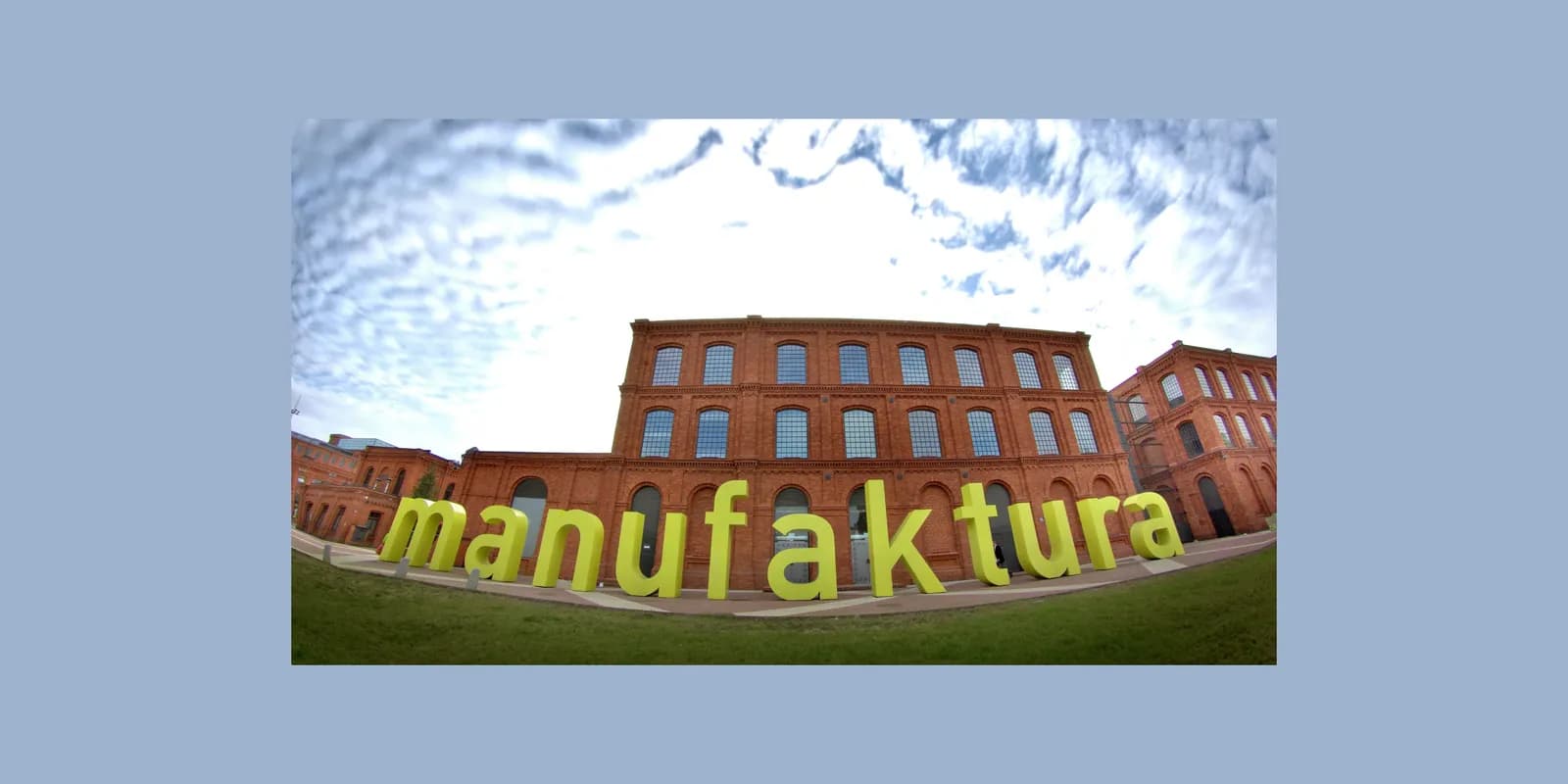
Former factories were restored instead of being replaced. The best-known example is Manufaktura, once Izrael Poznański's enormous textile complex and now one of Poland's leading destinations for shopping, dining, culture and entertainment. The scale of the redevelopment has made it one of Europe's most successful examples of industrial regeneration.
Elsewhere, the historic workers' district of Księży Młyn has been carefully preserved, while former palaces and factories now house museums, creative businesses and cultural institutions.
The city's economy has also diversified. Logistics, higher education, film production, business services and technology have become major employers, helped by Łódź's central location and excellent transport links.
In 2015, the city's 19th-century industrial urban landscape was recognised as a Historic Monument of Poland, acknowledging its national significance. Two years later, UNESCO named Łódź a Creative City of Film, recognising a different chapter in the city's story and its growing international reputation for cinema and the creative industries.
A City That Has Never Forgotten Where It Came From
Many former industrial cities have erased large parts of their manufacturing past. Łódź chose a different path.
Its mills still dominate the skyline. Workers' housing remains part of everyday neighbourhoods. Factory owners' palaces continue to stand as reminders of extraordinary wealth, while museums preserve the stories of the people whose lives revolved around the textile industry.
That history is not confined to guidebooks or museum displays. It shapes the character of the city itself.
Perhaps that is why Łódź feels unlike anywhere else in Poland. Its greatest landmarks are not castles or royal squares, but the factories that transformed a quiet provincial town into one of Europe's industrial giants. More than a century later, they continue to define the city's identity, reminding visitors that Łódź was built not by kings, but by workers, entrepreneurs and generations of people who turned ambition into one of the most remarkable urban success stories in Central Europe.